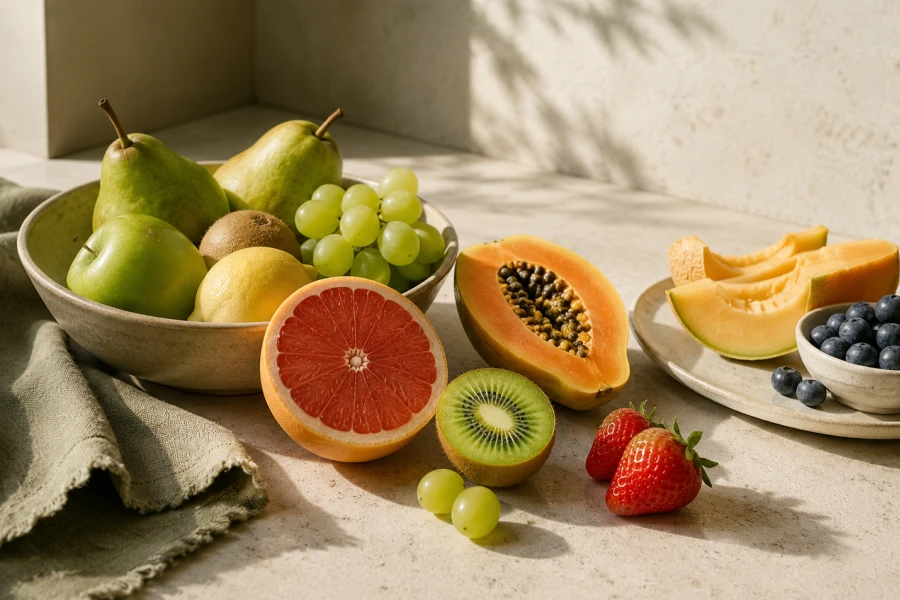
Best fruits for weight loss are most useful when they fit your real eating routine. A good choice is one you enjoy, can find easily, and will actually use. That makes fruit less of a rule and more of a practical option. Shopping habits, meal timing, and food preferences all matter. There is no single piece of produce that can do the work alone. Instead, think about how fruit can add color, texture, and convenience. Keep your expectations realistic and your approach flexible. A repeatable pattern usually matters more than an idealized food list. The goal is to make satisfying choices easier to reach. That is a more sustainable place to begin. A workable routine begins with foods that already belong in the life you are living.
A grocery cart is a better starting point than a strict menu. Choose two or three fruits you already like eating. Add one seasonal option for variety when it feels appealing. Keep the amount manageable for your household and schedule. Useful diet-friendly fruit ideas and seasonal fruit choices can help you find combinations that suit ordinary weeks. Consider where each item will be stored and when it will be used. A fruit that stays visible is often more likely to get eaten. Wash or portion some items when you return home. Leave other items whole for later flexibility. This small planning step makes the next snack decision less complicated. The less friction involved, the easier it becomes to turn fruit into an everyday choice.
Fruit can be helpful at moments when convenience usually wins. Keep it within reach at breakfast, after lunch, or during an afternoon pause. Pair it with foods that make the meal feel more complete. Yogurt, oats, nuts, or a simple sandwich can create a satisfying combination. The purpose is not to make every snack identical. It is to reduce the need for last-minute choices. Start with textures you enjoy, whether crisp apples or soft berries. Then notice which combinations keep your routine enjoyable. Food works better when it feels familiar rather than restrictive. A flexible plan is easier to repeat when life becomes busy. That kind of flexibility keeps one rushed day from changing the direction of the week.
Portion decisions do not need to become stressful calculations. Start by serving fruit in a bowl or on a plate. That simple step helps you notice what you are eating. It can also make an ordinary snack feel more intentional. Information about fruit portion awareness can support a calmer approach to serving sizes. Avoid treating one snack as a test of your entire week. Hunger, activity, and meal timing can change from day to day. Pay attention to how different choices fit your own schedule. Adjust without turning normal variation into failure. A practical eating pattern should leave room for ordinary life. Serving food with attention can support a calmer relationship with everyday eating.
The most useful fruit habit is one you do not need to negotiate each day. Keep a bowl on the counter if that helps. Store washed berries where they are easy to see. Take a piece of fruit when you pack lunch. These small cues can save energy when your day feels crowded. They also make the healthier option feel less like a separate project. Variety can help, but familiarity is often more powerful. Choose options that fit your budget and season. Let the routine stay simple enough to maintain. Consistency grows more easily when the process feels relaxed. Simple cues are powerful because they reduce the amount of planning required later.
Fruit becomes more satisfying when it is part of a balanced plate. Try a pear with cheese, citrus beside a grain bowl, or berries with yogurt. These combinations bring different textures and flavors together. Suggestions for balanced fruit pairings can offer useful inspiration without demanding rigid meal plans. You can also use fruit as a bright finish after lunch or dinner. The key is giving yourself options that feel enjoyable. No individual food needs to carry all the meaning of your goals. A broader pattern of meals and snacks matters more. Make room for choices that support both nourishment and pleasure. That balance is easier to keep over time. A satisfying combination can make a sensible choice feel more complete and less restrictive.
A fruit-focused routine works best when it adapts to changing weeks. Some days call for a quick apple in the car. Others allow time for a bowl with several ingredients. Keep a few simple options available for both situations. Notice which choices feel genuinely convenient for you. Then repeat those choices before adding new rules. Shopping, storage, and preparation can all stay flexible. One missed grocery trip does not undo your progress. Return to the next practical meal or snack. A calm approach makes it easier to keep going. That is what turns a good intention into an everyday habit. That perspective leaves space for variety while keeping the routine grounded.




Leave a comment