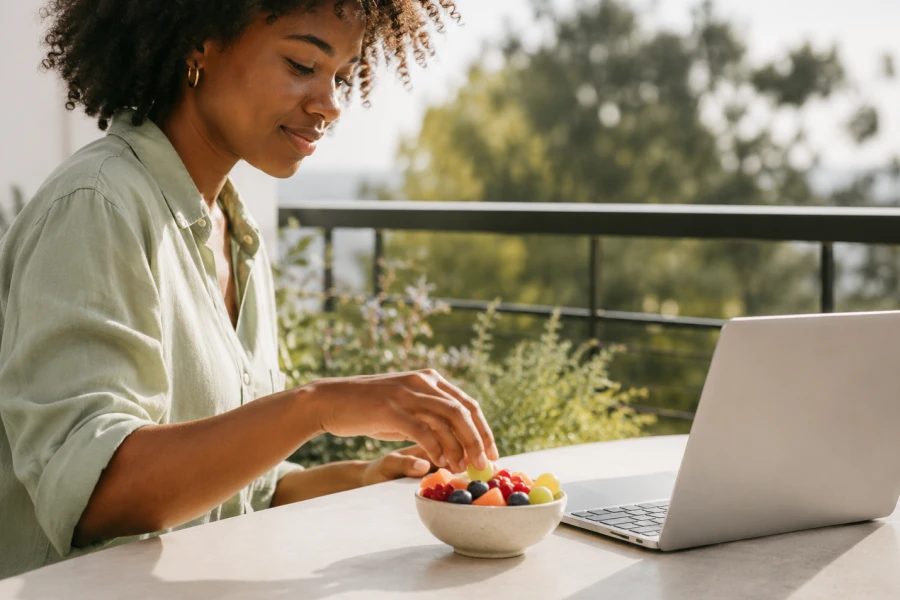
Low calorie fruit snacks can make an afternoon pause feel more deliberate. They offer a quick option when the day moves faster than expected. The goal is not to turn snack time into a strict test. It is to keep a practical choice available before hunger becomes urgent. Fruit brings brightness and texture to a routine that can otherwise feel repetitive. Different fruits also travel, store, and prepare in different ways. That flexibility makes them useful for busy schedules. Choose options that you genuinely look forward to eating. A snack habit lasts longer when it feels pleasant. The most successful approach is one that respects the pace of your day. An approachable setup can make a nourishing choice feel like the obvious one.
Visibility changes behavior more than complicated rules often do. Place a bowl of sturdy fruit where you naturally pause. Put washed grapes or berries at eye level in the refrigerator. Keep one portable option near your work bag. A few fruit snack planning ideas can make those placements feel easier to maintain. Choose containers that you can open without creating extra work. Keep cleanup simple so the routine does not become annoying. When fruit is easier to spot, it is easier to remember. That simple cue can reduce decision fatigue. It also gives you an option before vending machines or rushed errands take over. The environment then does part of the work before you have to make a decision.
A fruit-only snack may feel right sometimes, but a pairing can help on longer afternoons. Try citrus with a handful of nuts or berries with plain yogurt. Combine a crisp apple with cheese if that suits your preferences. These choices add texture without needing much preparation. The point is to make the snack feel satisfying enough to hold your attention. Start with foods you already enjoy together. Then adjust based on your schedule and appetite. A simple pairing can make an ordinary break feel more complete. It also helps you move away from all-or-nothing thinking. Food routines become easier when they include enough pleasure to repeat. This kind of preparation can support a snack pattern that feels both pleasant and practical.
Preparation does not need to happen in one large weekend session. Wash a small batch of fruit after shopping. Slice only what you expect to use soon. Keep whole fruit available for the rest of the week. Helpful practical healthy snacks and mindful snack planning can make preparation feel more manageable. Use a short routine that fits your kitchen, not an elaborate system. Some people prefer a few containers. Others only need a clean counter bowl. The best system is the one you will reset easily. A low-effort setup keeps fruit from becoming another unfinished task. That matters when routines are already full. Small systems last longer when they work during an ordinary, imperfect week.
The place where you snack shapes the kind of prep you need. At a desk, you may need quiet, mess-free options. In a car, sturdy fruit may work better than something fragile. At home, you may have time for a bowl or pairing. Think about those environments before you shop. One choice does not need to solve every situation. Build two or three options for the places you use most. That keeps your plan realistic. It also prevents boredom without creating unnecessary complexity. Small environmental adjustments can make healthy habits feel much more automatic. Planning for context makes the habit more adaptable than relying on a single option.
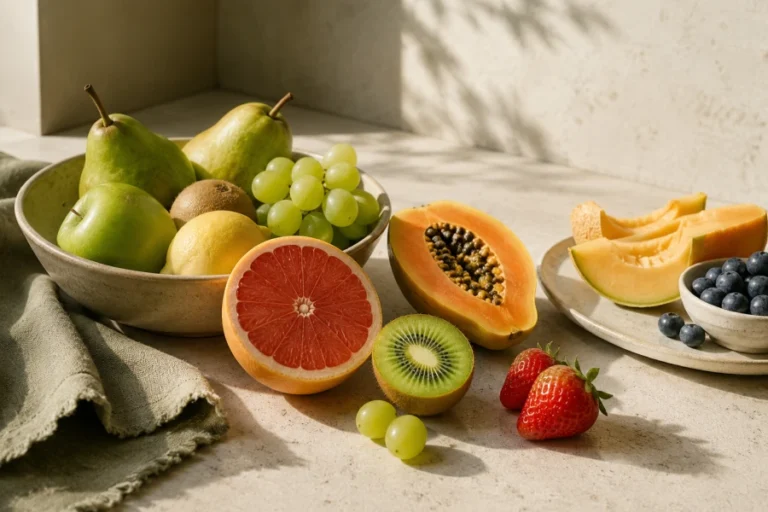
Variety is useful when it stays within a simple framework. Rotate between crisp, juicy, and soft textures across the week. Choose colors that make your snack feel inviting. A rotation of seasonal fruit choices can bring fresh options without requiring a full reset. You might keep apples for reliability and add berries when available. Let your preferences decide what stays in rotation. There is no need to chase every new fruit at the store. A short list can still feel interesting. The best variety supports your routine instead of complicating it. That balance keeps snack planning both practical and enjoyable. A predictable rotation keeps your choices fresh without asking for constant effort.
A good afternoon snack should make the next hour feel easier. It should not create guilt, rules, or another decision to manage. Keep a few ingredients ready and let the details remain flexible. Notice which options help you pause instead of rushing. Bring those choices into your regular shopping cycle. Some weeks will be more organized than others. That is normal and expected. Return to the next reasonable choice without making up for a difficult day. A calm snack routine is built through repetition. The more ordinary it feels, the more likely it is to last. That is the kind of structure that supports a calmer, more consistent afternoon rhythm.



Leave a comment